Home Based Palliative Care: Beyond the ward
Palliative care, which aims to improve the quality of life for people with severe or terminal diseases, is a crucial part of healthcare. A large portion of this treatment has historically been provided in hospitals or specialised inpatient units. However, home-based palliative care has become a significant form of treatment as patient comfort, dignity, and personal choices are more acknowledged.
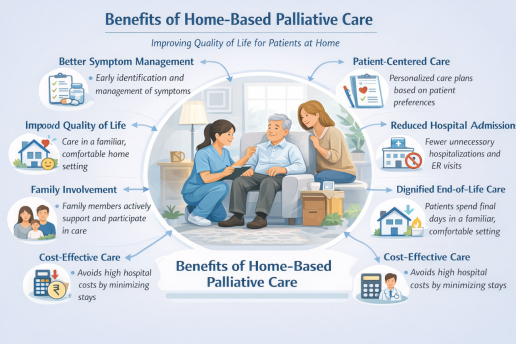
Home-based palliative care allows patients to receive comprehensive symptom management and supportive care in the comfort of their own place. This approach addresses not only physical symptoms but also psychological, social, and spiritual needs of both patients and their families. For many individuals with advanced illnesses such as cancer, organ failure, and neurodegenerative diseases, remaining at home during the course of illness—and even at the end of life—can significantly improve their sense of well-being and dignity.
By extending care beyond the hospital ward, home-based palliative care promotes patient-centered care, strengthens family involvement, and may reduce unnecessary hospital admissions and healthcare costs.
Concept of Home-Based Palliative Care
Home-based palliative care refers to the provision of palliative services in the patient’s home through a multidisciplinary healthcare team, which may include physicians, nurses, physiotherapists, social workers, and trained caregivers. The primary aim is to deliver holistic care that focuses on symptom relief, emotional support, and improving overall quality of life while allowing patients to remain in a familiar and comfortable environment
This model of care emphasizes a patient-centered approach, where treatment decisions are aligned with the patient’s values, preferences, and goals of care. Regular home visits by healthcare professionals allow continuous monitoring of symptoms such as pain, breathlessness, nausea, and anxiety. In addition, caregivers are trained to manage basic care needs, administer medications, and recognize early signs of complications.
Home-based palliative care also helps reduce unnecessary hospital admissions and emergency visits, which can be physically and emotionally distressing for patients with advanced illnesses. By providing timely symptom control and coordinated care at home, healthcare teams can improve patient comfort and support families throughout the course of illness.
Models of care delivery systems
Palliative care can be delivered through multiple interconnected models that support patients throughout the course of illness.Main models include,
- Inpatient Palliative Care Units (PCU)
- Hospital Palliative Care Consultation Teams
- Outpatient Palliative Care Clinics
- Community and Home-Based Palliative Care
- Hospice Care
These models work together to ensure continuity of care, allowing patients to transition smoothly between hospital and community settings while maintaining symptom control and quality of life.
Palliative care is not limited to hospitals — it extends from hospital wards to outpatient clinics and into the patient’s home.
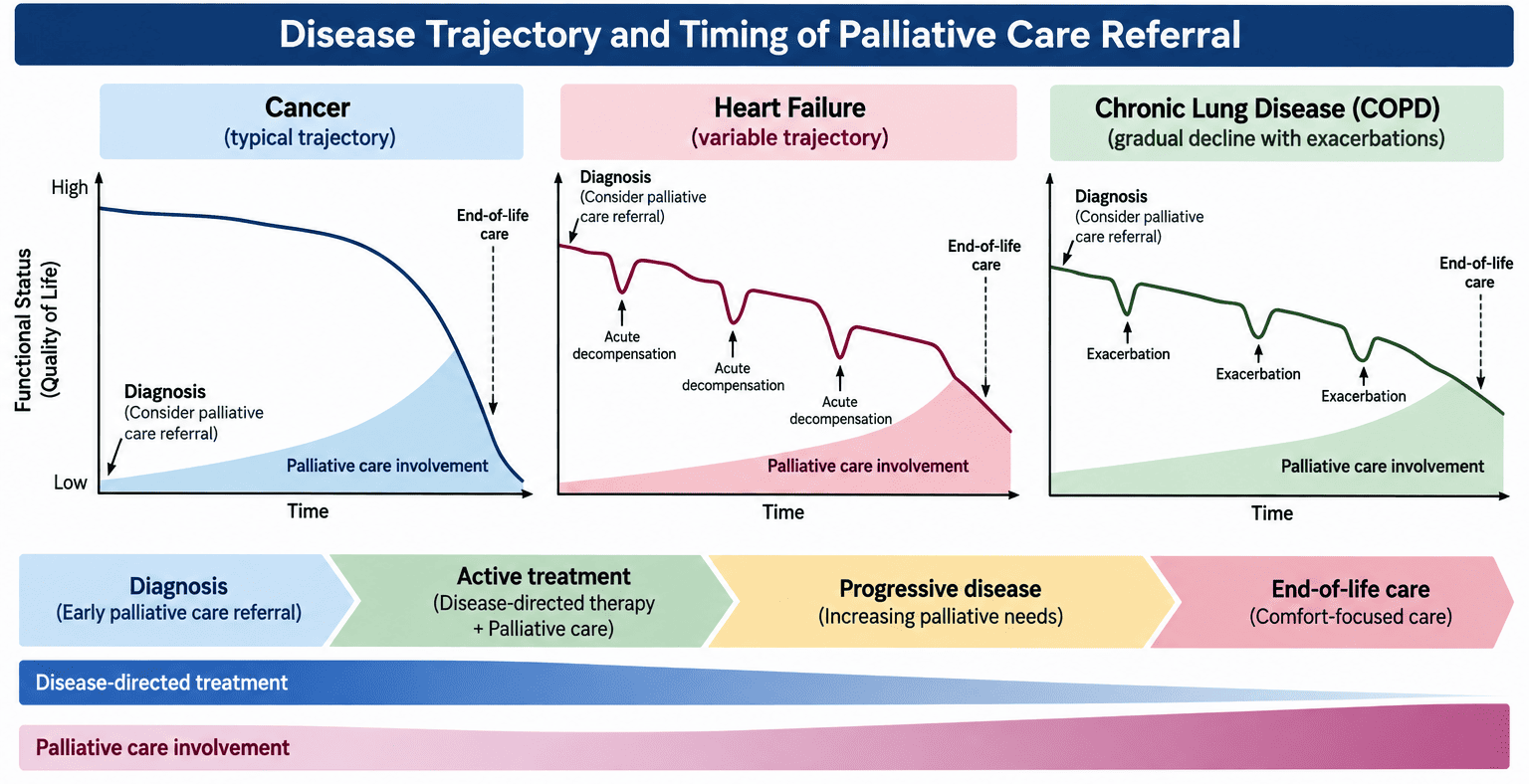
Patients Who Benefit from Home-Based Palliative Care
- Advanced cancer patients
- Elderly patients with frailty
- Patients with advanced dementia
- Patients with neurodegenerative diseases (e.g., Parkinson’s disease, ALS)
- Patients with end-stage heart failure
- Patients with chronic obstructive pulmonary disease (COPD)
- Patients with chronic kidney disease (CKD)
- Bedbound patients or those with severe mobility limitations
- Patients requiring end-of-life care at home
- Patients with multiple chronic illnesses (multimorbidity)
Challenges in Home-Based Palliative Care
- Despite its many advantages, home-based palliative care also presents several challenges. Providing medical care in a home environment requires proper coordination, resources, and trained personnel. In many regions, limited availability of trained palliative care professionals can restrict access to these services.
- Caregivers may experience significant physical and emotional burden, as they often take on responsibilities such as medication administration, personal care, and monitoring symptoms. Without adequate training and support, caregiving can become overwhelming. Additionally, access to medications, medical equipment, and emergency services may sometimes be limited in home settings.
- Another challenge is ensuring continuity of care and timely communication between healthcare providers, patients, and family members. Effective coordination between hospitals and home care teams is essential to ensure that patients receive appropriate care when their condition changes.
Conclusion:
Home-based palliative care extends compassionate care beyond hospital walls, allowing patients with serious illnesses to receive holistic support in the comfort of their homes. By focusing on symptom control, emotional support, and patient-centered decision making, this model improves quality of life while strengthening family involvement. With appropriate multidisciplinary support, home-based palliative care offers a dignified, effective, and patient-preferred approach to managing advanced illness.