What is Translational Neurorehabilitation?
To better understand what translational neurorehabilitation is, we should first have a look at what translational medicine involves.
According to one article, translational medicine in simple terms is ” the process of turning appropriate biological discoveries into drugs and medical devices that can be used in the treatment of patients”
Translational medicine thus involves three main pillars: the bench-side, the bedside and the community.2
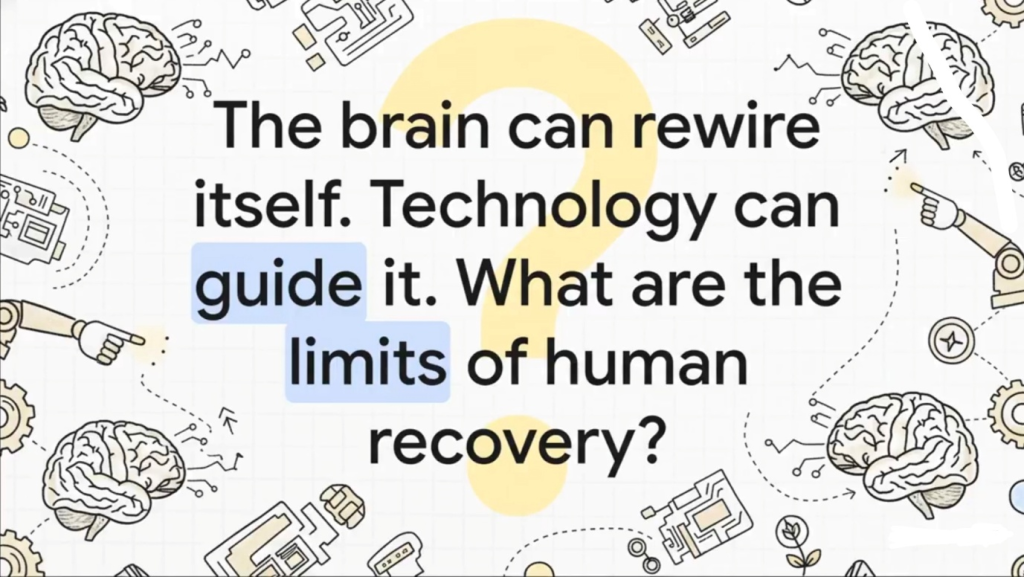
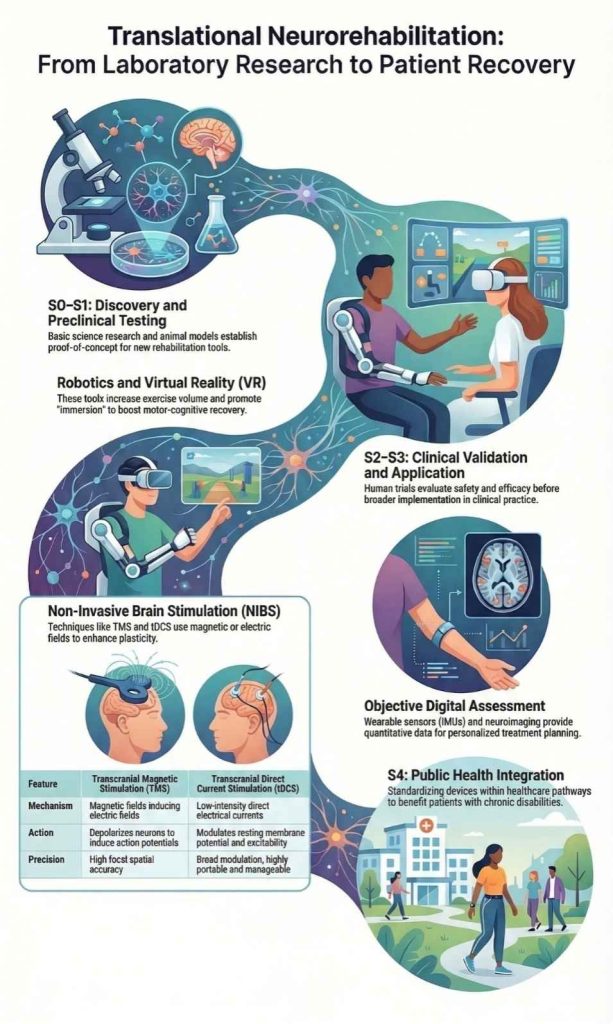
Translational Neurorehabilitation is a new field that aims to produce more meaningful rehabilitation results that directly benefit health, performance, and quality of life.
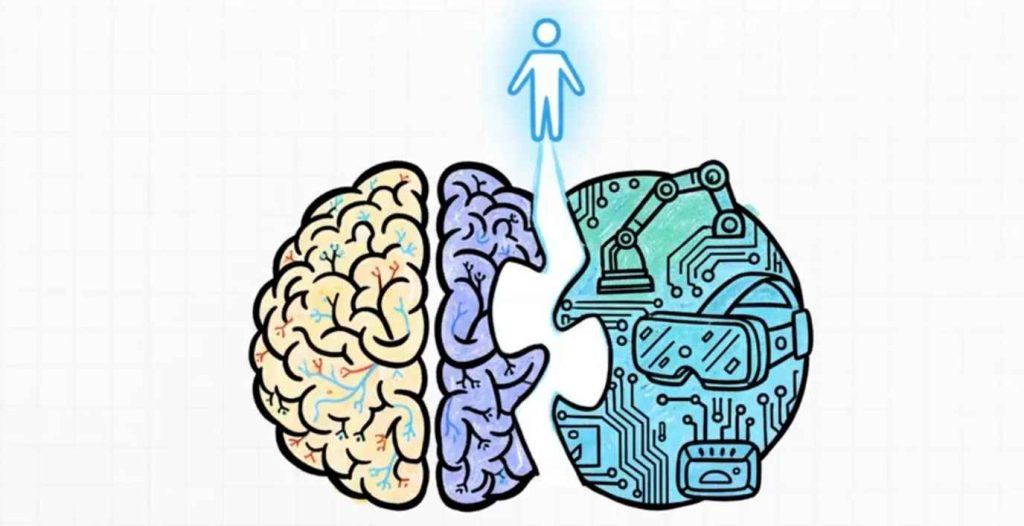
Some very important examples of translational neurorehabilitation are the use of:
- Robotics
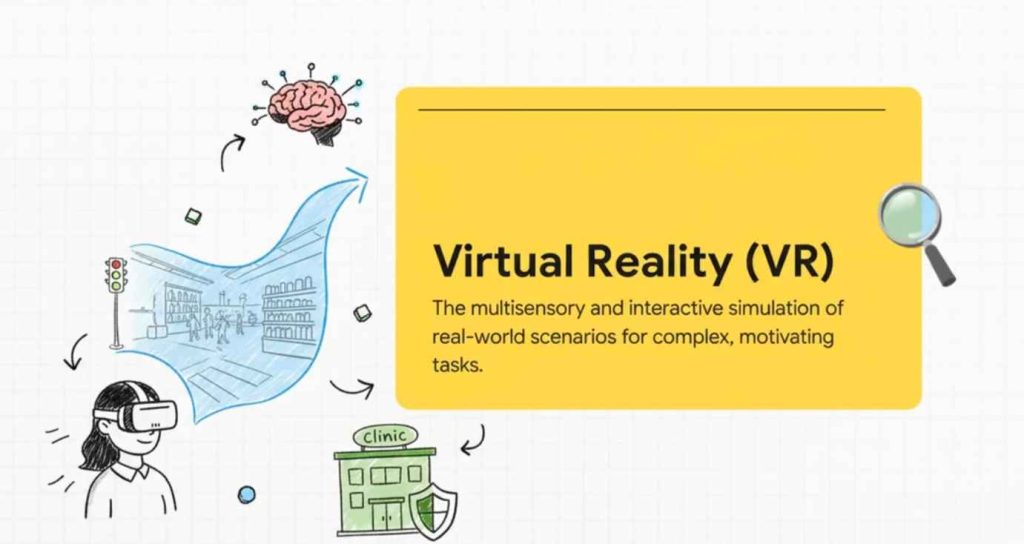
- Virtual Reality (VR)
- Artificial intelligence (AI) based applications
- Non-invasive brain stimulation (NIBS) techniques,
to enhance recovery after conditions such as stroke, traumatic brain injury (TBI), or neurodegenerative conditions
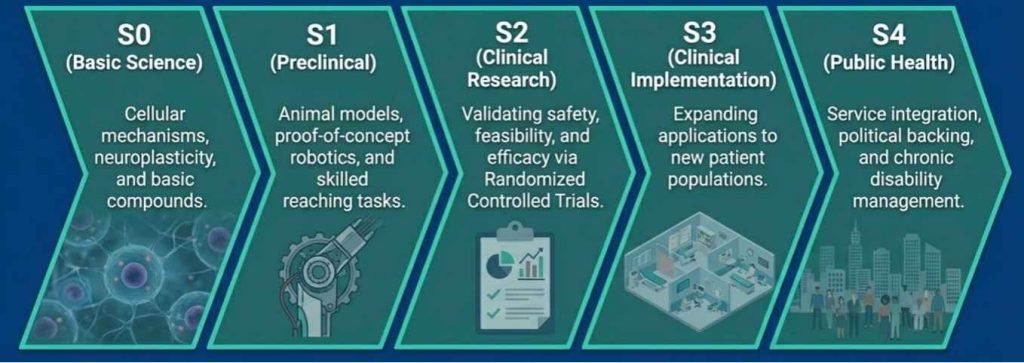
The stages of translational neurorehabilitation:
S0: Basic science research:
In the neurorehabilitation field, one example is aiming to look for compounds that improve neuroplasticity, reduce/slow neurodegeneration, and then improve functional recovery.
S1: Preclinical research:
Preclinical studies involve proof-of-concept works on robots/VR tools and skilled reaching tasks. Skilled reaching tasks involve behavioral test for rodents (rats/mice) that measures forelimb dexterity and motor learning, often used to study stroke recovery, neural injury, and motor control. Skilled reaching tasks can be applied to experimental models to investigate motor behavior and sensorimotor integrations in post-injury recovery.
S2: Clinical research:
Once a device has been fabricated by bioengineering, this should be validated in clinical practice.
Overall feasibility and safety need to be assessed in healthy subjects; then, pilot studies are conducted. Finally, efficacy is evaluated by randomised control trials ( RCTs) and real-life clinical studies.
S3: Clinical implementation:
This involves studies aimed at applying the diagnostic or treatment tools to other patients than those for whom the tool was initially designed, approved, and commercialized.
S4: Public health:
The device/ tool could become fundamental within a service or pathway in neurorehabilitation, especially for patients suffering from chronic disability such as from neurodegenerative disorders and gets gradually incorporated into the system.
Conclusion:
Translational neurorehabilitation is crucial because it ensures that what we learn and know about the brain actually enables people to regain independence, functionality and quality of life after neurological injury and also paves the path for innovative rehabilitation techniques.