A stroke can change a person’s life in an instant. One moment someone is going about their day, and the next, a part of their body no longer responds the way it used to, or words don’t come out the way they’re meant to. It’s frightening — for the patient and for everyone around them. But here is something every patient and family should hold onto: recovery is rarely a single event. It is a journey that unfolds in stages, each with its own goals, challenges, and milestones. Understanding these stages helps patients and families set realistic expectations, recognize genuine progress even when it’s slow, and stay motivated through what can be a long road.
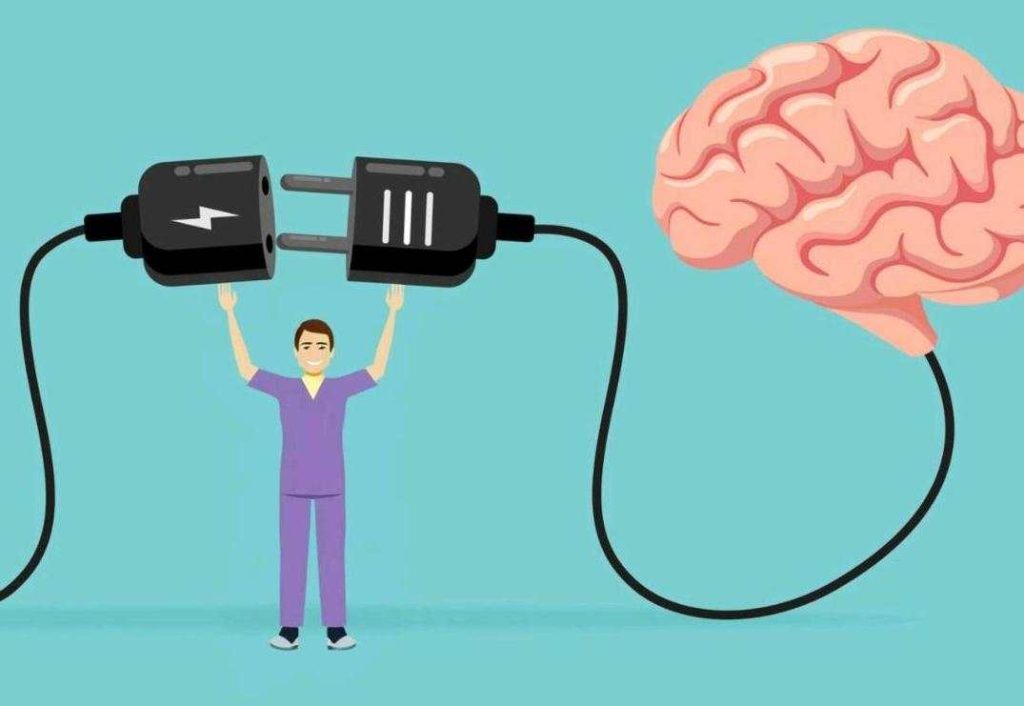
Immediately after a stroke, the priority is medical stabilization — controlling blood pressure, preventing further brain damage, and addressing the underlying cause, whether that’s a clot blocking blood flow or a bleed within the brain. This phase is intense and largely medical, often spent in a hospital stroke unit or intensive care.
But even at this early stage, rehabilitation has already begun, even if it doesn’t look like “therapy” in the traditional sense. Simple measures — positioning the affected arm and leg correctly in bed, performing gentle range-of-motion movements to prevent joints from stiffening, and getting the patient sitting up or even standing with support as soon as it’s medically safe — all matter enormously. These small interventions help prevent some of the most common early complications: joint contractures, pressure sores from lying in one position too long, and blood clots in the legs from inactivity.
Swallowing is another critical early concern. Many stroke survivors experience some degree of difficulty swallowing (dysphagia), and if this goes unrecognized, food or liquid can enter the airway, leading to choking episodes or chest infections. A swallowing assessment, often done by a speech and language therapist, helps determine what textures of food and liquid are safe, and whether any special precautions — like sitting upright while eating, or thickened liquids — are needed.
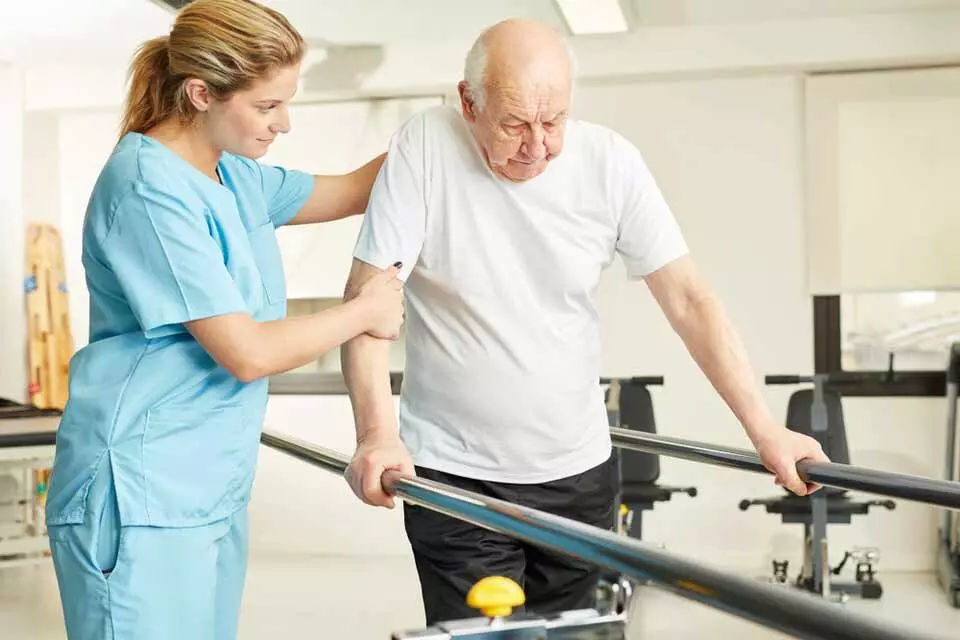
Once a patient is medically stable, they typically move into a more intensive rehabilitation phase — sometimes in a dedicated inpatient rehabilitation unit, sometimes through structured outpatient or home-based therapy, depending on the severity of the stroke and what’s available locally. This is where the real, hands-on work of recovery begins.
What ties all of this together is repetition and task-specific practice. The brain’s remarkable ability to “rewire” itself after injury, known as neuroplasticity, is thought to be particularly active in the weeks and months following a stroke. This is why consistent, intensive, and well-structured therapy during this window tends to yield the most noticeable gains — though, importantly, it is far from the only window in which improvement happens.
Stroke recovery rarely follows a perfectly smooth upward curve, and it helps for patients and families to know what bumps in the road are common, so they don’t come as a shock.
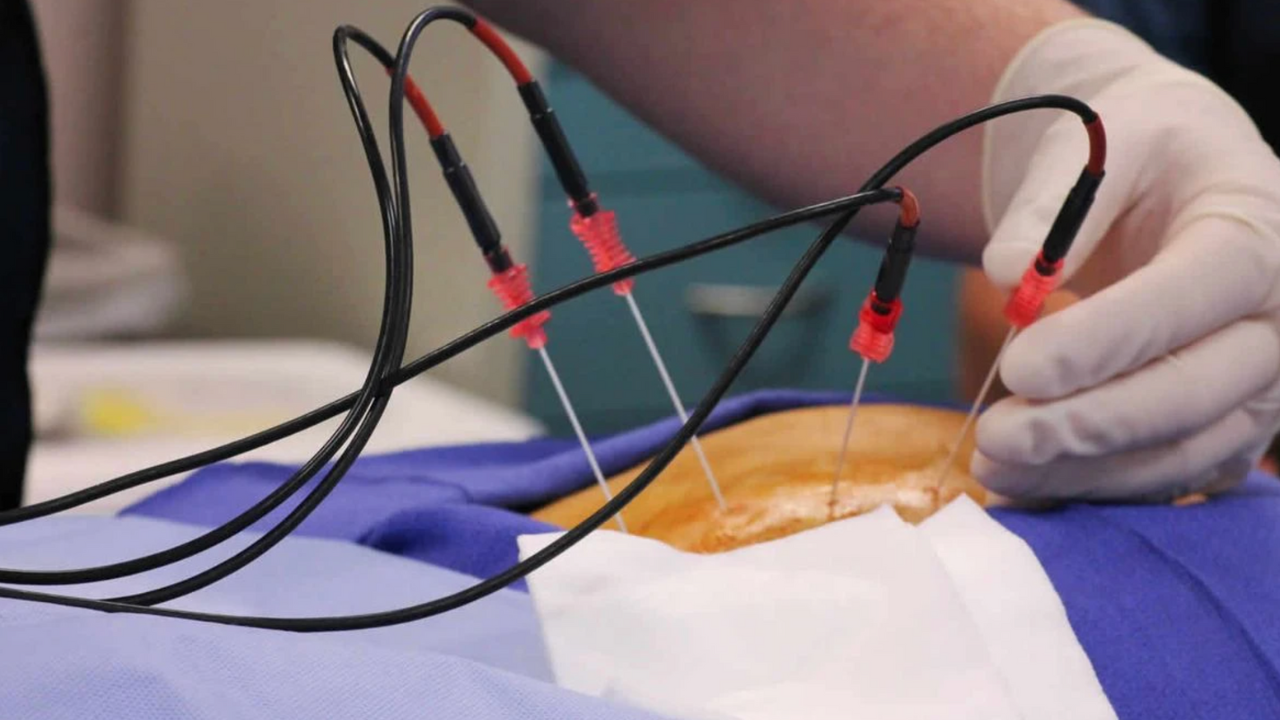
Spasticity — an abnormal tightness or stiffness in muscles — often develops in the weeks to months after a stroke, particularly in the affected arm or leg. It can make movement harder and, if left unmanaged, can lead to joint stiffness or pain. Stretching, positioning, and sometimes targeted medical treatments can help keep spasticity manageable.
Shoulder pain on the affected side is another frequent issue, often related to weakness around the shoulder joint combined with the weight of the arm pulling on its supporting structures. Careful handling, positioning, and specific exercises can help prevent or reduce this.
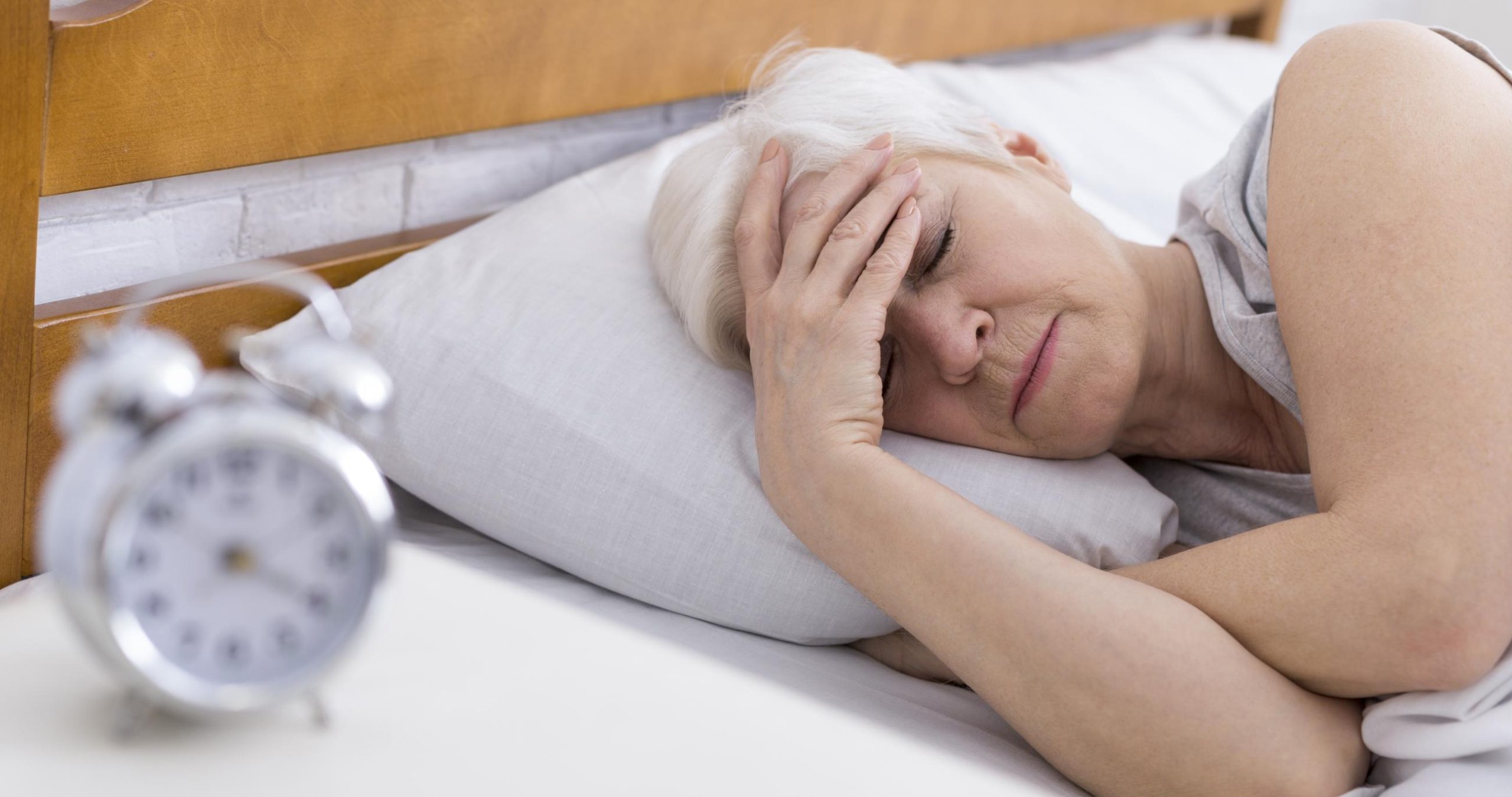
Fatigue after stroke is extremely common and often surprises patients with its intensity — even simple activities can feel exhausting in ways that weren’t true before. This is a real, physiological response to the brain’s injury and recovery process, not a sign of laziness, and pacing activities accordingly is important.
Mood changes, including depression and anxiety, affect a significant proportion of stroke survivors. These aren’t just an emotional reaction to a difficult situation (though that’s part of it) — they can also be a direct effect of the stroke itself on brain regions involved in mood regulation. Recognizing and addressing mood changes is just as important as addressing physical recovery, since low mood can significantly affect motivation and engagement with therapy.
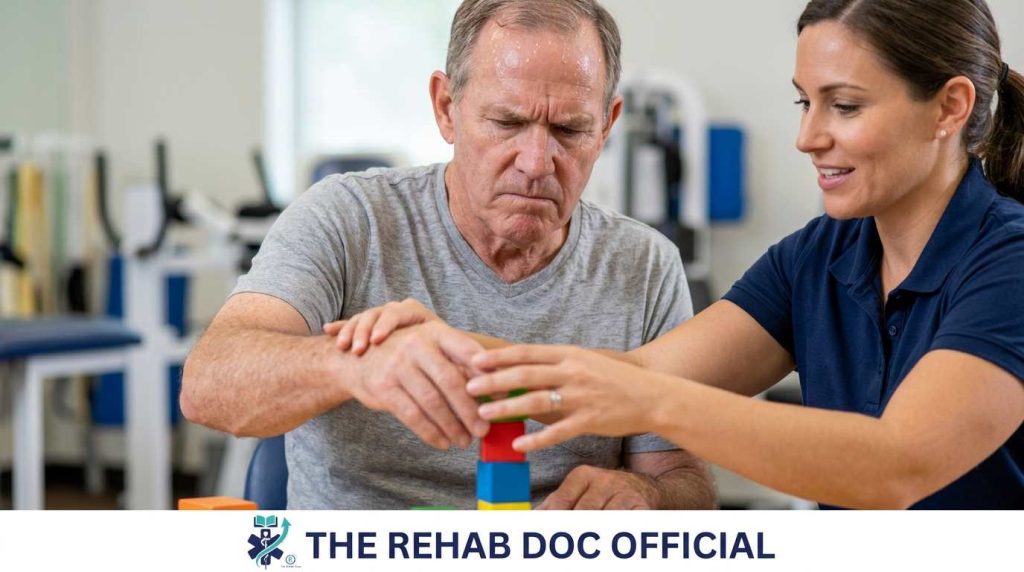
Recovery does not stop after a few months, though the pace of progress often becomes more gradual. The chronic phase is about consolidating the gains made earlier, continuing to address any remaining deficits, and — perhaps most importantly — helping patients return to roles and activities that are meaningful to them. For some, this means returning to work in some capacity. For others, it might mean being able to cook a meal independently, play with grandchildren, attend religious or social gatherings, or simply move around the house safely without assistance.
Ongoing exercise remains valuable well beyond the initial rehabilitation period — both for continuing to improve function and for general health, since stroke survivors are also at risk of further cardiovascular events, and staying active is part of reducing that risk. Community-based rehabilitation programs, where available, can provide a supportive environment for continued progress after formal inpatient or outpatient therapy ends. Regular follow-up with a physiatrist also remains valuable during this phase, to monitor for and manage issues like persistent spasticity, pain, or mood changes that can affect quality of life long after the initial event.
A physiatrist — a physician specializing in Physical Medicine and Rehabilitation — often acts as the Team leader & coordinator of the entire rehabilitation team, bringing together physiotherapists, occupational therapists, speech and language therapists, psychologists, and others into a unified, goal-oriented care plan.
Beyond coordination, a physiatrist manages the medical issues that arise during recovery: prescribing and adjusting treatments for spasticity, managing pain (including shoulder pain), addressing bladder and bowel issues that can occur after stroke, and screening for and managing mood disorders. They also play a key role in tracking functional progress over time, adjusting goals as a patient improves, and helping families understand realistic expectations at each stage — which can be one of the most valuable forms of support a family receives.
How long does stroke recovery take? There’s no single answer — it depends on the severity and location of the stroke, the person’s overall health, and how quickly rehabilitation begins. Many of the most noticeable improvements happen in the first three to six months, but meaningful progress can continue for a year or more, and in some cases, longer.
Is it normal for progress to slow down or plateau for a while? Yes. Recovery often happens in a stop-start pattern rather than a steady line. A period where progress seems to stall doesn’t necessarily mean recovery has ended — sometimes it picks up again with continued therapy, especially if new goals or approaches are introduced.
Can someone improve even years after a stroke? While the rate of improvement is generally fastest in the early months, research and clinical experience both show that meaningful gains are possible even years later, particularly with focused, intensive practice of specific skills.
What can family members do to help? Encouraging consistency with prescribed exercises, creating a safe home environment, being patient with communication difficulties if present, and staying engaged with the rehabilitation team are all valuable. Equally important is taking care of one’s own wellbeing as a caregiver.
No two stroke recoveries look the same. Some patients regain function relatively quickly; others need months or years of dedicated therapy, and some are left with permanent changes they learn to adapt around. What matters most, across all of these scenarios, is starting PMR led rehabilitation early, staying consistent, and working with a team that understands both the medical and functional sides of recovery. If you or a loved one is navigating life after a stroke, a consultation with a physiatrist can help map out a personalized rehabilitation plan suited to your specific situation, goals, and pace.

As the Consultant and Incharge of the NeuroRehabilitation and Musculoskeletal & Sports Rehab Units at Kauvery hospitals Bangalore & Hosur, I lead and empower a diverse team of specialists—including physiotherapists, occupational therapists, speech & swallow therapists, and clinical psychologists, Rehabilitation Nurses—to provide patient-centered care and achieve outstanding results.