Lymph-edema Management in Advanced Cancer: A Gentle Approach
What is Lymphedema?
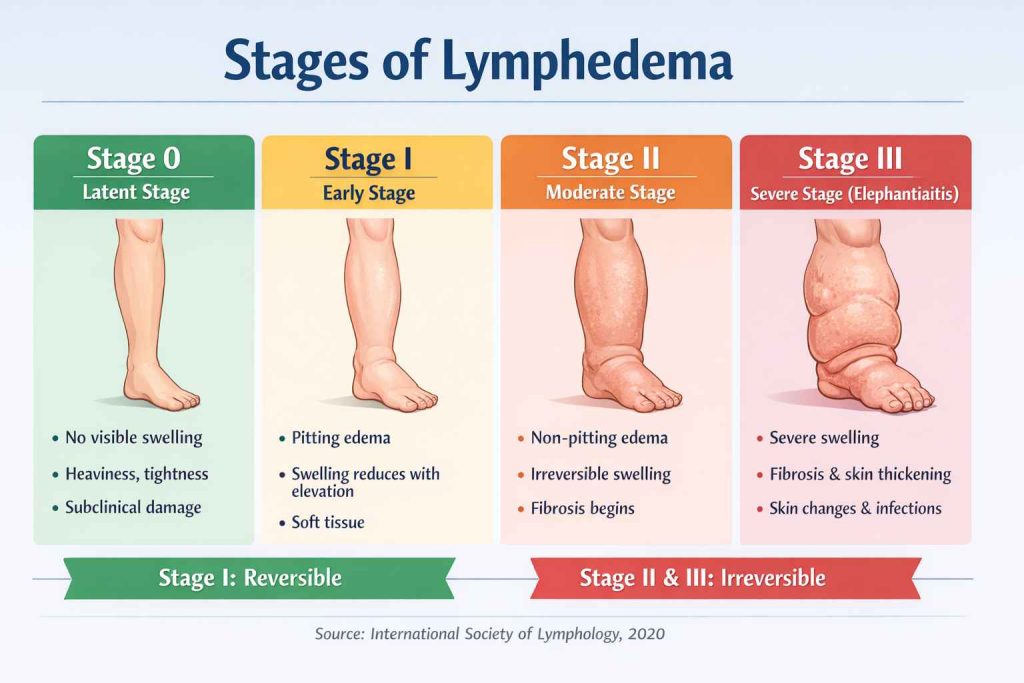
Lymphedema is a chronic condition characterised by the accumulation of protein-rich lymphatic fluid in the interstitial tissues, resulting from impaired lymphatic drainage. This leads to persistent swelling, most commonly affecting the limbs, and may be associated with heaviness, discomfort, skin changes, and reduced mobility.
Lymphedema can be classified as primary (due to congenital or developmental abnormalities of the lymphatic system) or secondary, which is more common and occurs due to damage or obstruction of lymphatic vessels. In cancer patients, secondary lymphedema typically develops as a result of tumour infiltration, lymph node dissection, or radiation therapy.
In advanced cancer, the impact of lymphedema goes beyond physical symptoms. It can lead to pain, impaired function, skin changes, and psychological distress, significantly affecting quality of life. As patients approach later stages of illness, the goal of care shifts from aggressive interventions to comfort-focused, patient-centred management.
A gentle approach to lymphedema management prioritises symptom relief, simplicity, and patient comfort, avoiding burdensome treatments while maintaining dignity and quality of life.
Assessment – It should be start with complete clinical history.
Limb Measurement
- Circumferential measurements at fixed points
- Comparison with the opposite limb
- Serial measurements to monitor progression
In advanced cancer, measurements should be simple and non-burdensome.
Skin and Infection Assessment
- Signs of cellulitis (redness, warmth, fever)
- Skin integrity (cracks, ulcers)
- Fungal infections
Management of Lymphedema in Advanced Cancer (Gentle Approach)
Principles of Gentle Management
- Focus on comfort, not cure
- Individualised care
- Avoid aggressive therapy
- Respect patient preference
Care in Lymphedema – Care in lymphedema focuses on reducing swelling, preventing complications, relieving discomfort, and maintaining function.
Skin care – Keep the skin clean and well moisturized to prevent dryness, cracks, and infection. Avoid cuts, burns, and insect bites. Avoid blood pressure measurement and Intravenous line in affected limb.
Limb elevation – Elevating the affected limb may help reduce swelling and improve comfort.
Compression therapy – Use compression bandages or garments if tolerated and appropriate. In advanced cancer, compression should be gentle and individualized.
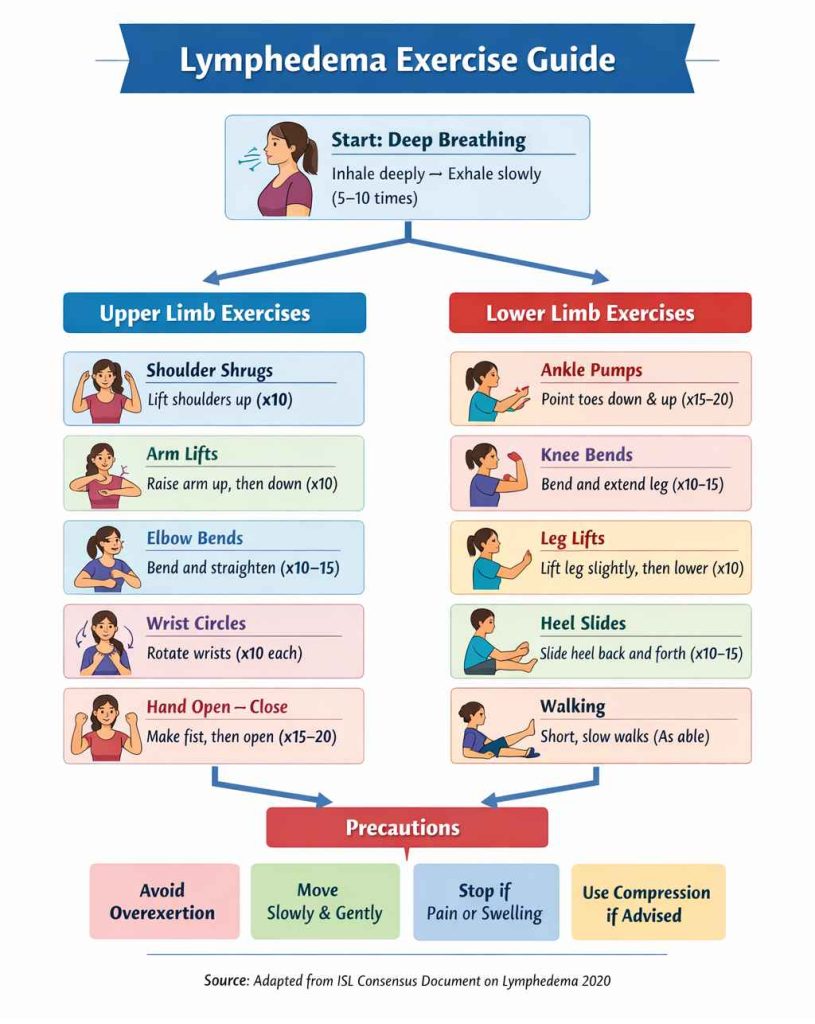
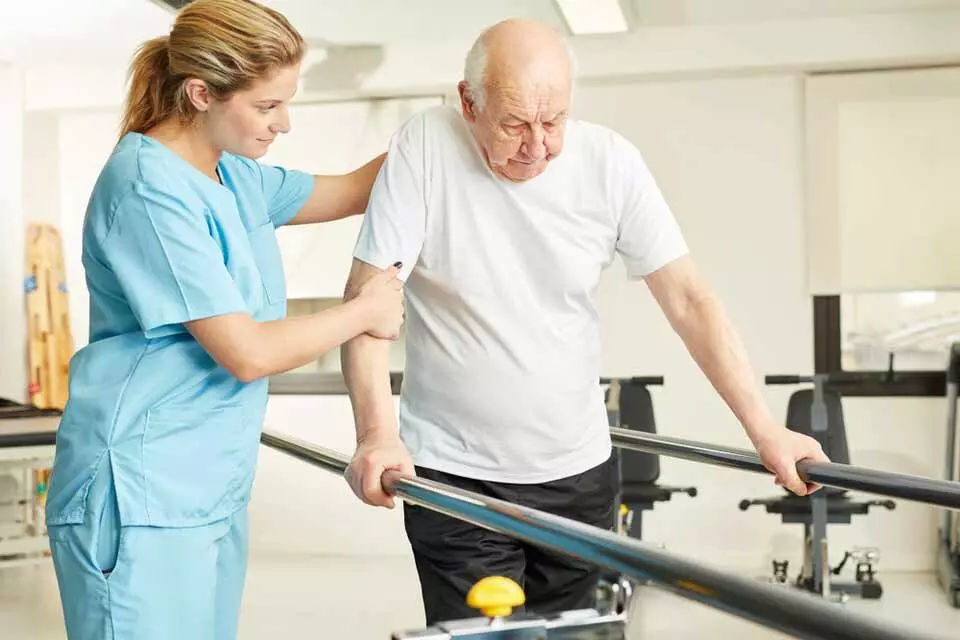
Exercise and movement – Encourage gentle range-of-motion exercises and light activity to improve lymph flow and maintain mobility.
Manual lymphatic drainage – Gentle lymphatic massage by a trained professional may help selected patients, especially when it improves comfort.
Infection prevention – Watch for redness, warmth, pain, or fever suggestive of cellulitis, and treat early.
Pain and symptom relief – Manage pain, heaviness, and discomfort with analgesics, positioning, and supportive care.
Psychological support – Lymphedema can affect body image and mood, so emotional support and reassurance are important.
Patient and caregiver education – Teach proper skin care, limb care, warning signs of infection and safe use of compression.
Complications due to Lymphedema – Lymphedema in advanced cancer can lead to several complications that significantly affect patient comfort and quality of life. Persistent swelling and impaired lymphatic drainage increase the risk of recurrent infections, particularly cellulitis. Skin changes such as thickening, dryness, and ulceration may occur, making the limb more vulnerable to injury. Over time, patients may develop reduced mobility, pain, and functional limitation, which can further contribute to dependency and emotional distress. In advanced stages, these complications require careful, gentle management to prevent worsening symptoms while maintaining patient dignity
Dos and Don’ts in Lymphedema
Do's
- Maintain good skin hygiene and regular moisturization
- Perform gentle exercises daily
- Keep the limb elevated when possible
- Use light compression if tolerated and advised
- Inspect skin regularly for signs of infection
- Wear loose, comfortable clothing
- Stay physically active within limits
- Seek early treatment for redness, pain, or fever
Don'ts
- Avoid tight clothing or constrictive garments
- Do not perform vigorous or strenuous exercises
- Avoid injury, cuts, burns, or insect bites
- Do not ignore early signs of infection
- Avoid prolonged dependent positioning of limb
- Do not use excessive compression in advanced disease
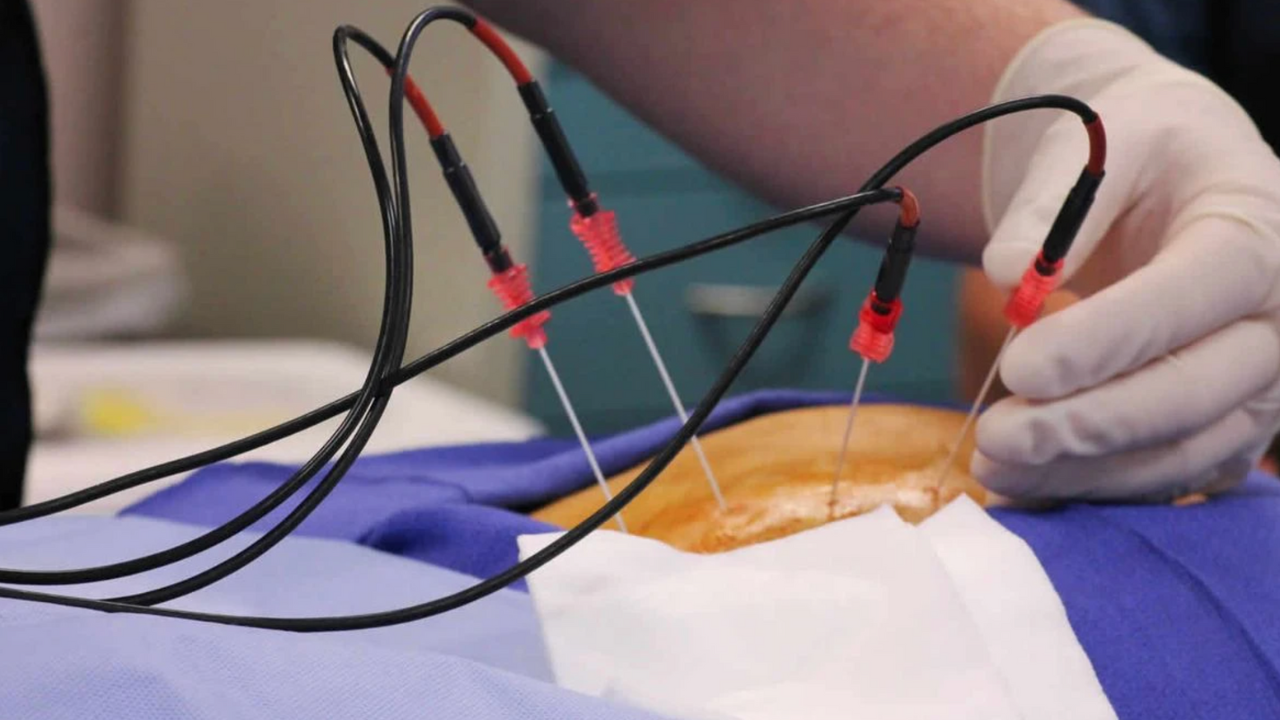
- Avoid unnecessary invasive procedures on affected limb (e.g., injections, BP measurement)
- Do not overexert or cause fatigue
Conclusion:
Lymphedema in advanced cancer is a chronic and distressing condition that significantly impacts physical comfort, function, and quality of life. A gentle, palliative approach to management—focused on symptom relief, simple interventions, and patient preferences—is essential. By emphasizing skin care, light compression, gentle exercises, and early management of complications, healthcare providers can reduce discomfort while avoiding burdensome treatments. Integrating palliative care ensures holistic support, helping patients maintain comfort, dignity, and the best possible quality of life in the advanced stages of illness.