The Rehab Doc Offical

TOI Style Scroll Menu

Interventional Pain Procedures: Nerve Blocks, Epidurals, and Radiofrequency Ablation

Introduction

Interventional pain procedures are an important component of multimodal pain management in palliative care. They may be considered when pain remains inadequately controlled despite appropriate pharmacological treatment, when systemic analgesics produce unacceptable adverse effects, or when pain has a specific anatomical or neuropathic source that can be targeted directly.

Common procedures include:

  • Peripheral nerve and plexus blocks
  • Neuraxial procedures, including epidural and intrathecal analgesia
  • Sympathetic blocks
  • Neurolytic procedures
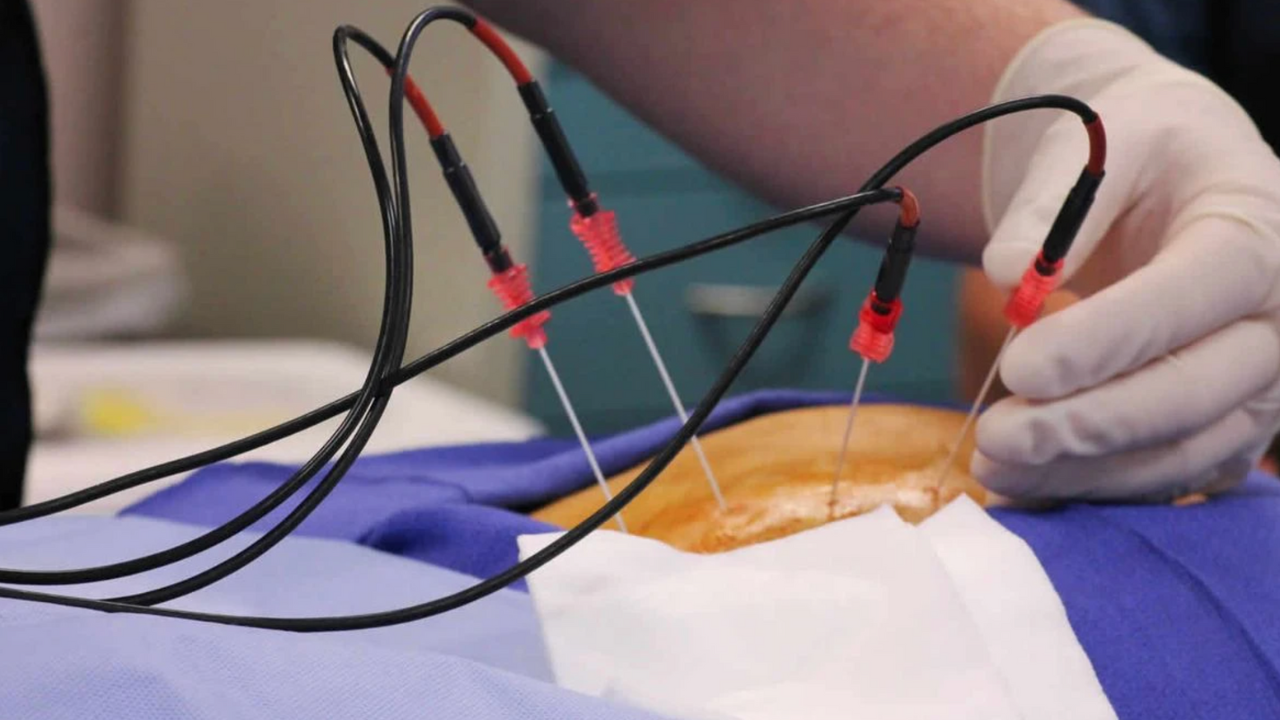
  • Radiofrequency ablation (RFA)
  • Image-guided procedures for selected cancer-related pain syndromes

The objective is not simply to eliminate pain, but to achieve meaningful pain relief, improve function and comfort, reduce medication burden when possible, and support quality of life.

When to Consider an Interventional Procedure

  • Persistent moderate–severe pain despite optimized medical treatment
  • Pain localized to a specific nerve, plexus, joint, or anatomical structure
  • Neuropathic or mixed nociceptive–neuropathic pain
  • Intolerable systemic opioid adverse effects
  • High opioid requirements
  • Predictable procedure-related or incident pain
  • Pain limiting mobility, sleep, rehabilitation, or daily activities
  • Cancer-related pain requiring targeted treatment
  • Selected patients approaching end of life when rapid symptom relief is important
Procedure
Main Target
Typical Role
Nerve block
Peripheral nerve/plexus
Diagnostic or therapeutic focal pain relief
Epidural analgesia
Epidural space
Segmental or extensive pain
Intrathecal analgesia
CSF/intrathecal space
Severe refractory pain requiring neuraxial therapy
Sympathetic block
Sympathetic nerves
Selected visceral/neuropathic pain
Neurolytic block
Nerve/plexus
Longer-lasting destruction of targeted nerves
Radiofrequency ablation
Target nerve/tissue
Longer-duration pain relief in selected conditions

Why Patient Selection Is Difficult for Interventional Pain Procedures in Palliative Care

  • Advanced and complex disease: Multiple pain mechanisms may coexist—nociceptive, neuropathic, visceral, and psychological.
  • Limited prognosis
  • Poor performance status
  • Multiple comorbidities
  • Bleeding risk: Thrombocytopenia,  coagulopathy, anticoagulants, or advanced cancer may increase procedural risk.
  • Infection risk
  • Altered anatomy: Tumor infiltration, previous surgery, radiation, or metastases can make procedures technically difficult.
  • Unclear pain generator: Procedures work best when a specific anatomical pain source can be identified.
  • Short-term vs long-term benefit: Some procedures require time to achieve meaningful benefit, which may not be appropriate for patients with very limited survival.
  • Patient tolerance: Positioning, transportation, lying still, or repeated procedures may be difficult for frail patients.
  • Goals of care: The procedure should align with whether the patient’s priority is pain reduction, mobility, alertness, or comfort.
  • Medication response: If pain is already adequately controlled with relatively safe systemic therapy, procedural risk may not be justified.
  • Availability and expertise: Image guidance, trained specialists, monitoring, and follow-up may not be readily available.

Patient Selection for Interventional Pain Procedures

  • Identify a specific and treatable pain generator.
  • Determine the type of pain: nociceptive, neuropathic, visceral, or mixed.
  • Assess severity and functional impact of pain.
  • Confirm that conventional pharmacological and non-pharmacological measures are inadequate or poorly tolerated.
  • Consider the patient’s performance status and frailty.
  • Assess life expectancy and expected time to benefit.
  • Review coagulation status and anticoagulant therapy.
  • Check for local or systemic infection.
  • Consider anatomical factors such as tumor involvement, previous surgery, or radiation.
  • Evaluate organ dysfunction and comorbidities.
  • Assess whether the patient can tolerate the procedure and required positioning.
  • Discuss expected benefits, risks, alternatives, and duration of relief.
  • Ensure the intervention is consistent with the patient’s goals of care.
  • Ensure appropriate expertise, imaging, monitoring, and follow-up are available.

Common Interventional Procedures According to Pain Location

Pain Location
Possible Procedure
Upper abdominal/ pancreatic
Celiac plexus block/neurolysis
Pelvic/visceral
Superior hypogastric plexus block
Perineal
Ganglion impar block
Chest wall
Intercostal nerve block
Limb/focal neuropathic pain
Peripheral nerve block
Multiple dermatomes
Epidural analgesia
Severe refractory widespread pain
Intrathecal analgesia
Selected facet/joint-mediated pain
Radiofrequency ablation

Conclusion

Interventional pain procedures have an important role in specialist palliative pain management, particularly when conventional pharmacological and non-pharmacological approaches provide inadequate relief or produce unacceptable adverse effects. They allow treatment to be directed toward a specific anatomical pain generator, potentially providing substantial relief while reducing the need for systemic analgesics in selected patients.

However, these procedures should not be viewed as a routine or last-minute intervention. Appropriate patient selection is central to achieving meaningful benefit. The pain mechanism, anatomical target, severity of symptoms, functional impact, performance status, comorbidities, coagulation status, infection risk, prognosis, and expected duration of benefit should all be considered.

The choice between a nerve block, sympathetic or neurolytic procedure, epidural, intrathecal analgesia, or radiofrequency ablation depends on the individual pain syndrome and clinical circumstances. Image guidance and experienced multidisciplinary teams can improve procedural precision and safety.

In palliative care, the goal is not simply to achieve a lower pain score. The intervention should help the patient sleep better, move more comfortably, participate in meaningful activities, reduce distress, or decrease medication-related burden. The potential benefits should therefore be weighed against procedural risks and treatment burden.

Ultimately, interventional procedures should be incorporated into a multimodal and goal-concordant pain management plan, rather than replacing comprehensive palliative care.


“The best intervention is not necessarily the most technically advanced procedure—it is the intervention that provides meaningful relief with acceptable risk and aligns with the patient’s goals, prognosis, and quality of life.”

Dr.Savan Kukadia (MD Palliative Medicine)

I am a physician specialized in Palliative Medicine (MD) with a strong commitment to improving the quality of life for patients with life-limiting illnesses. My clinical focus is on comprehensive symptom management, holistic patient care, and psychosocial support for patients and families.Beyond clinical practice, I am deeply interested in palliative care education, research, and integrating evidence-based practices into patient-centered care. I aim to contribute to the growth of palliative care services, raise awareness about end-of-life issues, and advocate for a more compassionate healthcare system.

Leave a Reply

Your email address will not be published. Required fields are marked *

Scroll to Top