Palliative Care After Severe Stroke: When Recovery Isn’t the Goal
Introduction
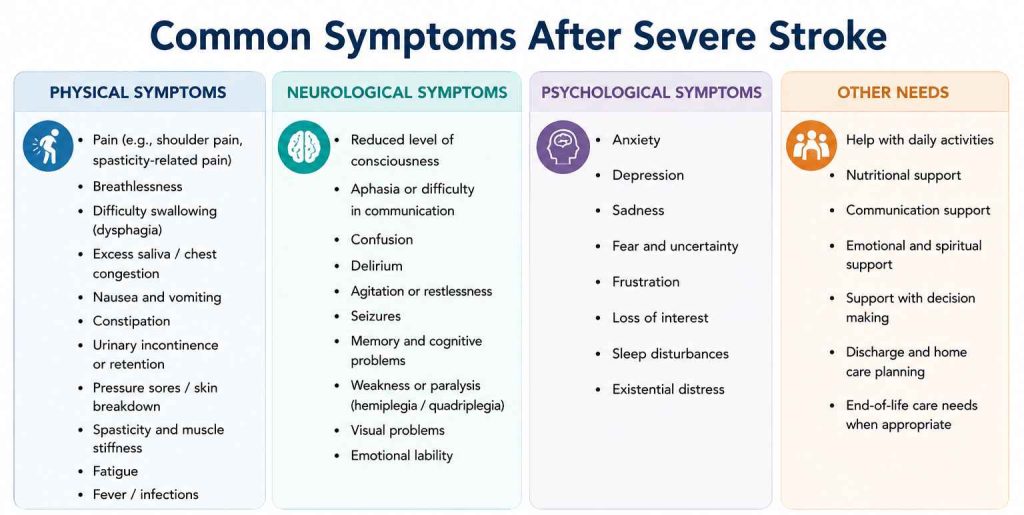
Stroke is a leading cause of death and long-term disability worldwide. While advances in acute stroke management have improved survival, many patients experience severe neurological deficits that profoundly affect functional independence, communication, swallowing, cognition, and quality of life. In some cases, despite optimal medical treatment and rehabilitation, meaningful neurological recovery is unlikely. These patients often have a high burden of physical, psychological, social, and spiritual needs that require comprehensive supportive care.
Palliative care plays a vital role in the management of patients with severe stroke when the primary focus shifts from recovery to comfort, dignity, and quality of life. Rather than representing the withdrawal of care, palliative care emphasizes active symptom management, compassionate communication, shared decision-making, psychosocial support, and advance care planning. It also provides essential support for families facing complex medical decisions and uncertainty regarding prognosis.
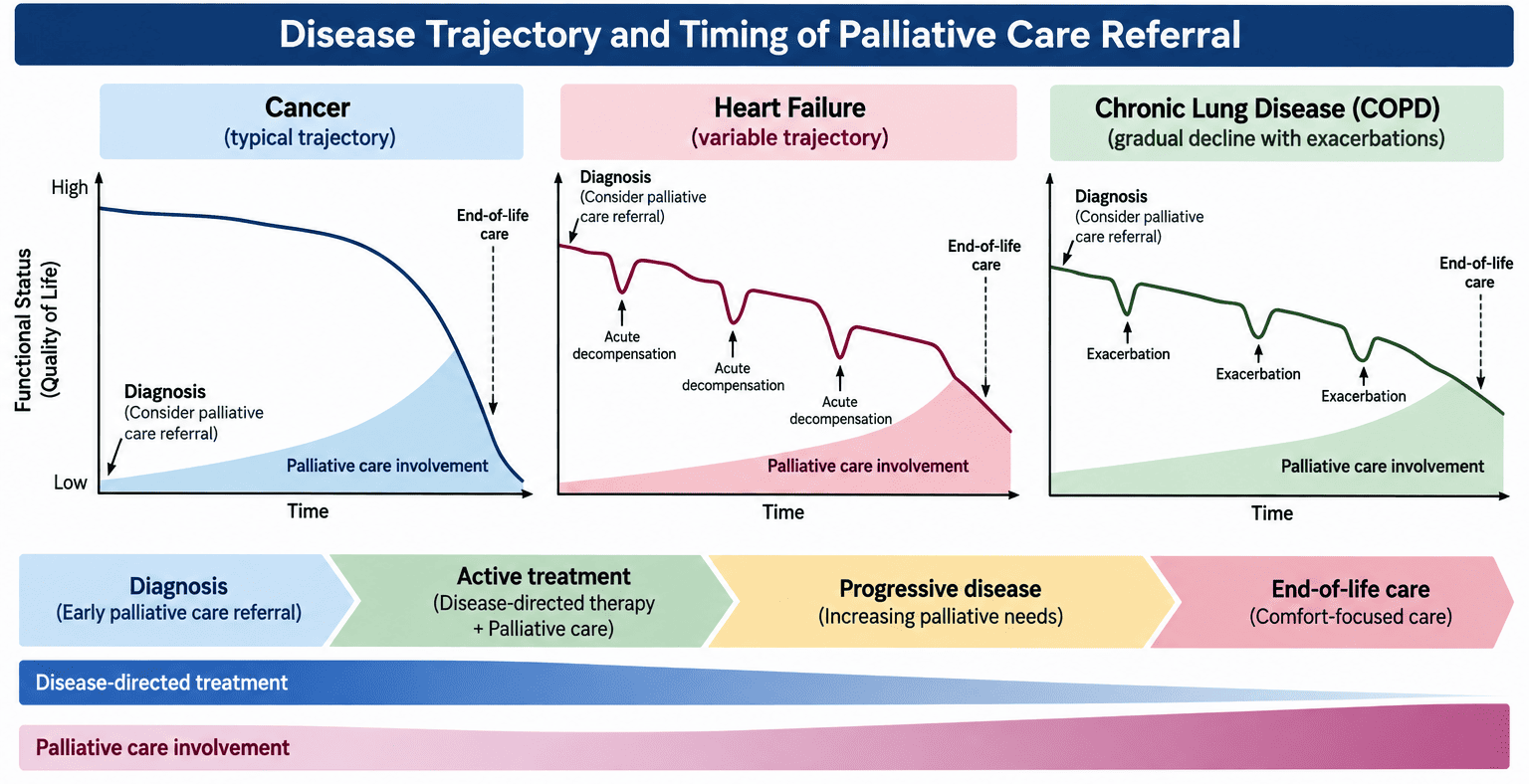
Early integration of palliative care alongside neurological care ensures that treatment aligns with the patient’s values, preferences, and goals. By addressing distressing symptoms, facilitating realistic discussions about prognosis, and supporting caregivers throughout the illness trajectory, palliative care helps patients with severe stroke receive care that is compassionate, individualized, and centered on comfort when recovery is no longer the primary goal.
Why Is Palliative Care Important After Severe Stroke?
- High symptom burden and functional disability
- Limited potential for meaningful neurological recovery
- Difficulty with communication and decision-making
- Need for effective symptom control
- Assistance with goals-of-care discussions
- Support for complex ethical decisions
- Psychosocial and spiritual support for patients and families
- Psychosocial and spiritual support for patients and families
- Facilitation of advance care planning
- Improvement in quality of life and dignity
Not all patients with stroke require specialist palliative care. However, those with severe neurological injury, poor prognosis, or a high symptom burden can benefit significantly from early palliative care alongside standard stroke management. Referral should be based on patient needs rather than prognosis alone, with the goal of optimizing comfort, supporting decision-making, and improving quality of life.
Patients Who May Benefit
- Massive ischemic stroke with severe neurological deficits
- Intracerebral hemorrhage with poor prognosis
- Large cerebellar or brainstem stroke
- Persistent coma or prolonged reduced consciousness
- Severe dysphagia requiring artificial nutrition decisions
- Recurrent aspiration pneumonia
- Severe cognitive impairment or inability to communicate
- Persistent high symptom burden (pain, dyspnea, agitation, secretions)
- Complete dependence for activities of daily living
- Patients with poor functional recovery despite rehabilitation
- Recurrent strokes with progressive disability
- Patients declining life-prolonging interventions
- Need for goals-of-care or advance care planning discussions
- Significant caregiver distress or complex psychosocial needs
Clinical Triggers for Palliative Care Referral
- Poor neurological prognosis
- High symptom burden
- Difficult treatment decisions
- Recurrent hospital admissions
- Consideration of withdrawal or withholding of life-sustaining treatment
- Transition to comfort-focused care
Severe stroke often leaves patients unable to communicate or participate in medical decision-making. In these situations, compassionate communication with families and shared decision-making become essential components of palliative care. Discussions should focus on the patient’s prognosis, values, previously expressed wishes, and realistic goals of treatment, ensuring that care remains patient-centered and ethically appropriate.
Discuss Prognosis
- Provide honest, clear, and compassionate information.
- Acknowledge uncertainty when present.
- Explain expected functional outcomes.
Establish Goals of Care
- Explore the patient’s values and preferences.
- Balance life-prolonging treatments with comfort-focused care.
- Align interventions with the patient’s goals.
Shared Decision-Making
- Involve family or surrogate decision-makers.
- Respect advance directives when available.
- Encourage questions and allow time for decision-making.
Advance Care Planning
- Discuss resuscitation (DNR) decisions.
- Decisions regarding artificial nutrition and hydration.
- Mechanical ventilation and ICU care.
- Preferred place of care (hospital, hospice, or home).
Support for Families
- Provide emotional and psychological support.
- Address caregiver concerns and expectations.
- Offer spiritual care when appropriate.
- Discuss bereavement support if prognosis is poor.
Symptom Control
- Manage pain and breathlessness promptly.
- Control respiratory secretions.
- Treat agitation, delirium, and seizures.
- Provide meticulous mouth and skin care.
Nutrition and Hydration
- Individualize decisions regarding artificial nutrition and hydration.
- Focus on comfort rather than nutritional targets.
- Provide regular oral care.
Conclusion
Palliative care is an integral component of the management of patients with severe stroke when meaningful neurological recovery is unlikely. Rather than signifying the withdrawal of care, it emphasizes active symptom management, compassionate communication, shared decision-making, and holistic support tailored to the patient’s values and goals. Early integration of palliative care helps relieve suffering, facilitates informed treatment decisions, and supports families through the emotional and practical challenges of severe neurological illness.
By prioritizing comfort, dignity, and quality of life, palliative care ensures that patients with severe stroke receive patient – centered care throughout the disease trajectory. A multidisciplinary approach that addresses physical, psychological, social, and spiritual needs enables patients to experience the highest possible quality of life, while providing families with the guidance and support needed during one of the most difficult periods of care.
“When recovery is no longer the primary goal, palliative care becomes the goal—focusing on comfort, dignity, symptom relief, and compassionate support for both patients and their families.”